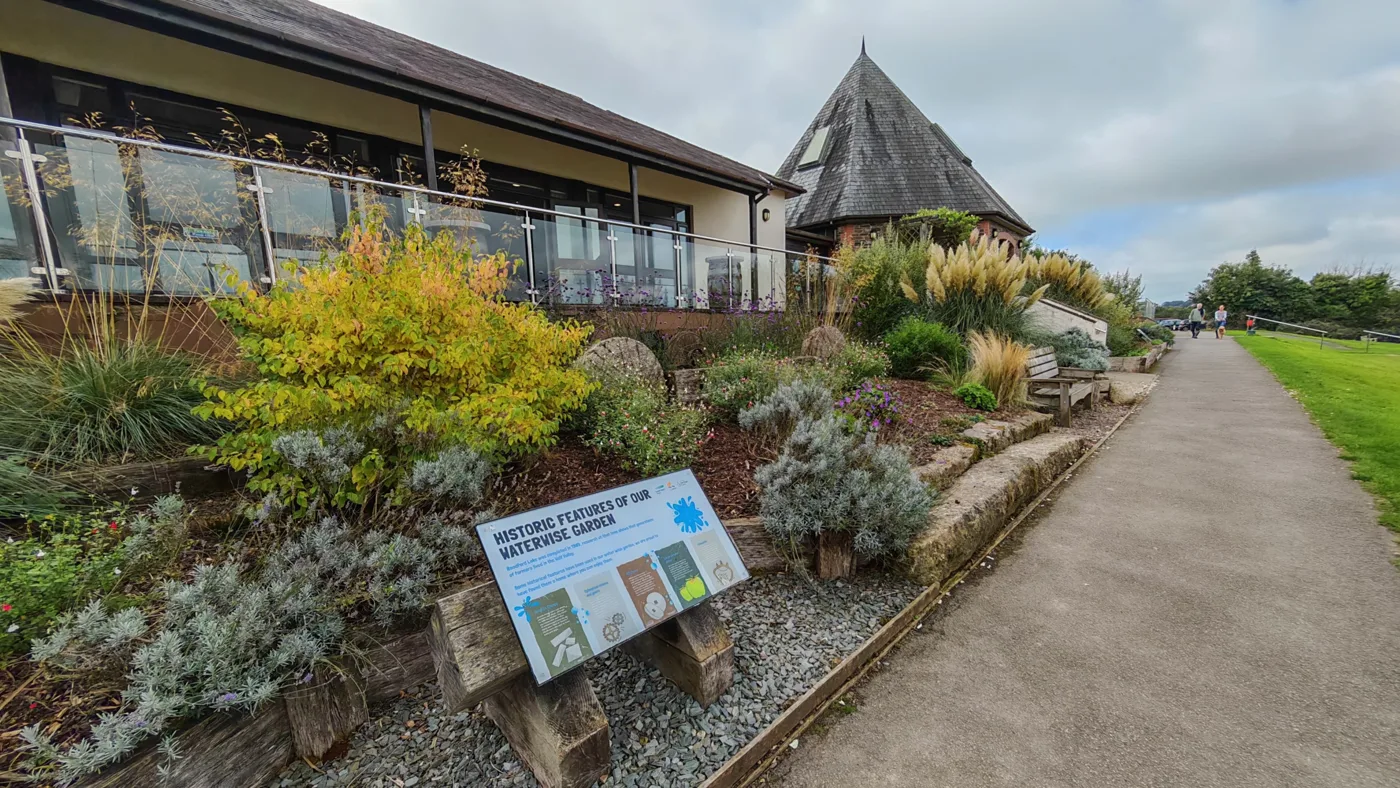

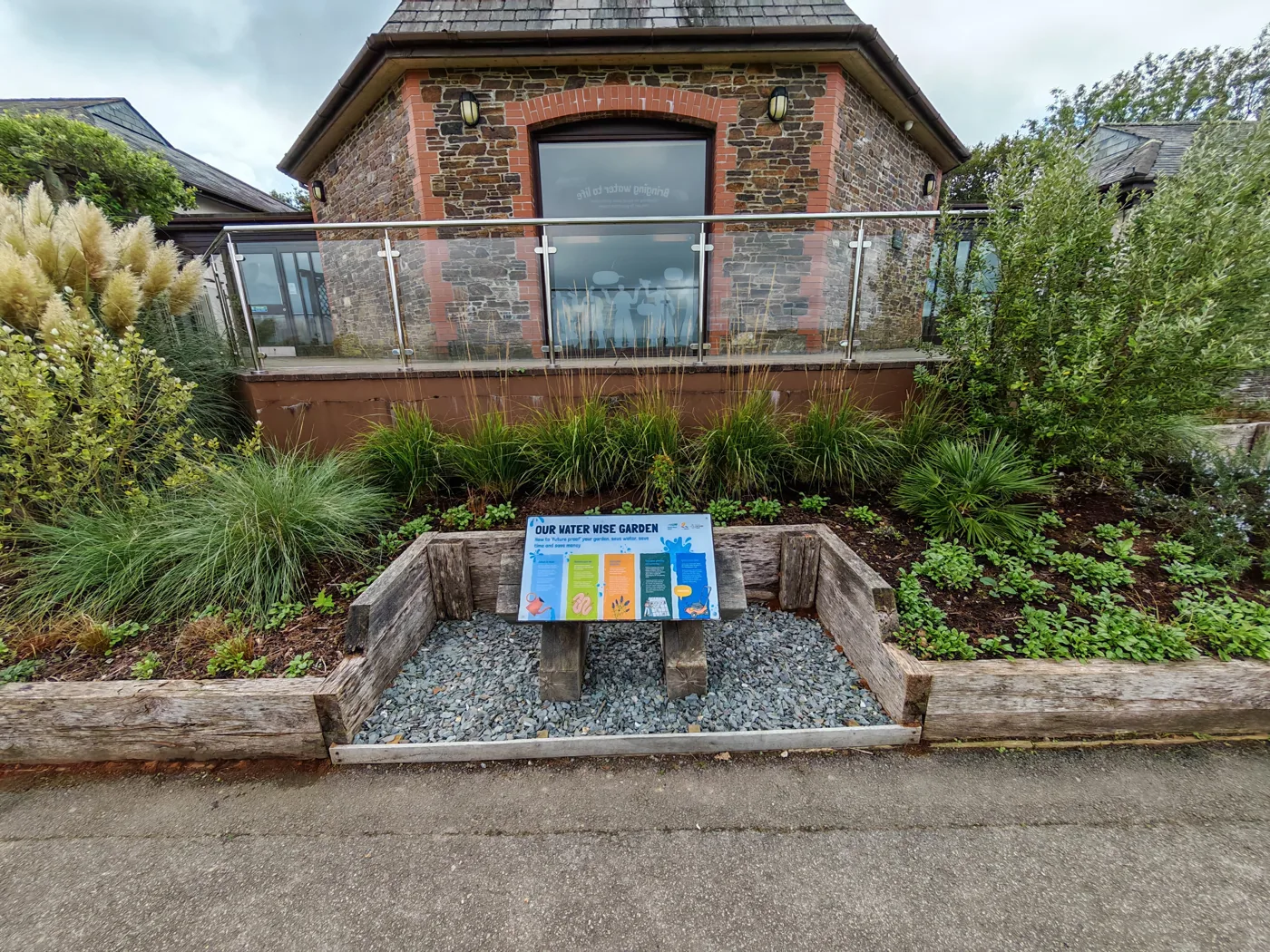
The hosepipe ban is still in place across the South West. South West Water's Waterwise garden at Roadford shows the plants and soil care that need little water.
The hosepipe ban remains in place across the South West, Exeter included, and South West Water is asking gardeners to plan now for the next dry summer. Its advice comes from the Waterwise garden it built beside Roadford Reservoir, which the company says has grown into a colourful, thriving space that needs little watering.
Overview
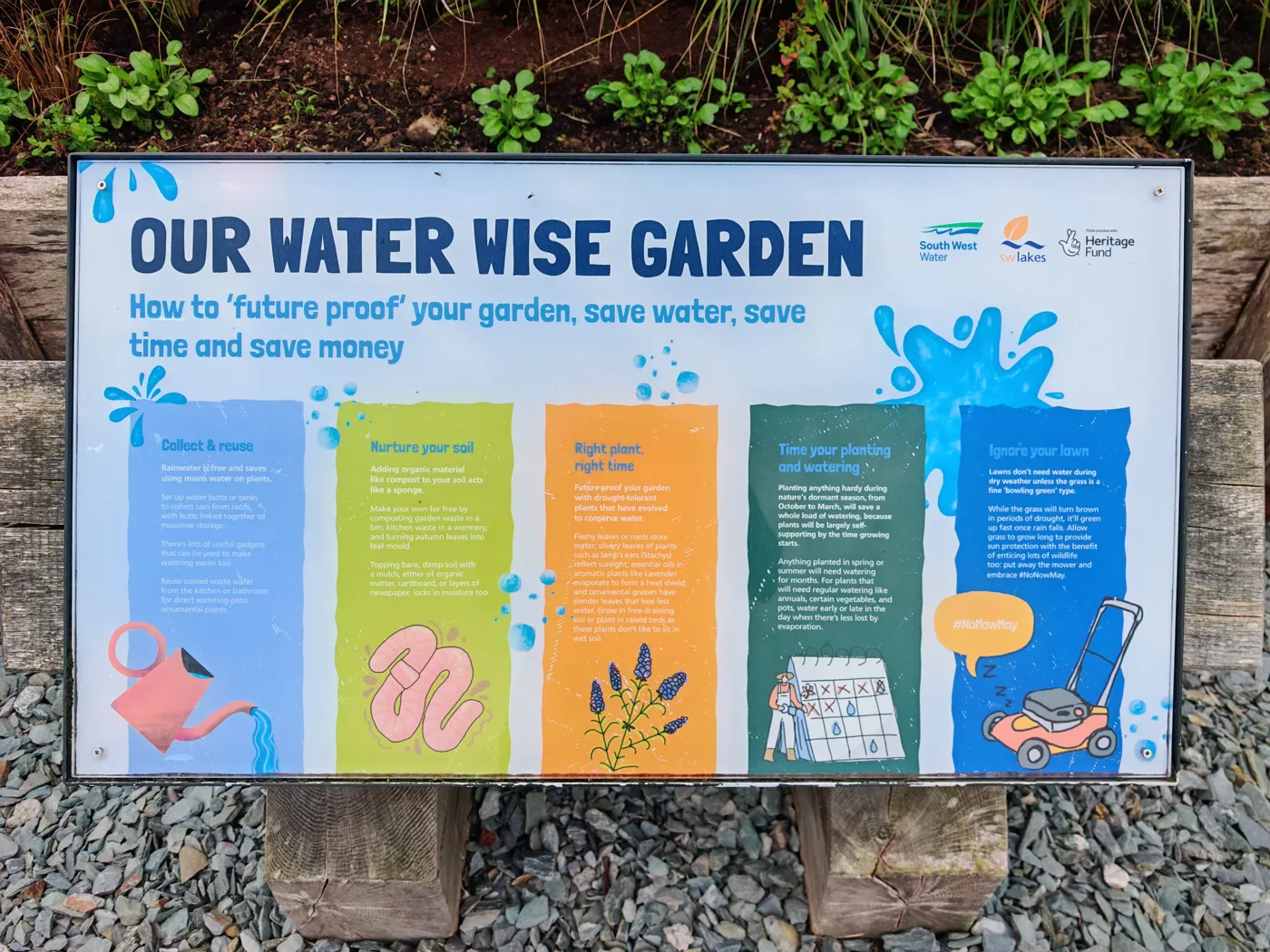
- Plant for drought: fleshy leaves or water-storing roots, silver foliage, aromatic plants such as lavender, and ornamental grasses all lose less water.
- Do the soil work this winter: add compost to beds and pots and lay a thick mulch so the soil holds the rain.
- Catch the rain: a water butt filled in the wet months gives you water for the next dry spell.
- Leave the lawn: yellowed grass goes dormant in a drought and recovers when the rain returns.
South West Water says months of exceptionally dry weather and the hottest summer on record have left water resources under significant pressure, with some reservoirs at critically low levels. The recent rain is welcome, it says, but after such a long dry spell sustained rainfall is needed to refill them. The hosepipe ban has helped reduce demand, the company says, but “as we move further into winter, outdoor restrictions alone cannot deliver the water savings needed”, and it is asking customers to make “an immediate, meaningful reduction in the water they use”.
Our earlier report covers the company’s application for a ban on non-essential business water use in Exeter.

The plants that need least water
The garden was commissioned in 2024 and created with gardening expert Sue Fisher. She said:
“The Waterwise garden outside the Visitor Centre at Roadford Reservoir is packed with ideas on how to future-proof your garden for greater resilience and sustainability to save water, time, and money.”
On choosing plants, she said:
“A diverse range of beautiful plants have been chosen for their drought-tolerant properties such as fleshy leaves or roots that store water; silvery foliage that reflect sunlight; essential oils in aromatic plants like Lavender evaporate to form a heat shield; and ornamental grasses which have slender leaves that lose less water.”
Keep the rain in the soil
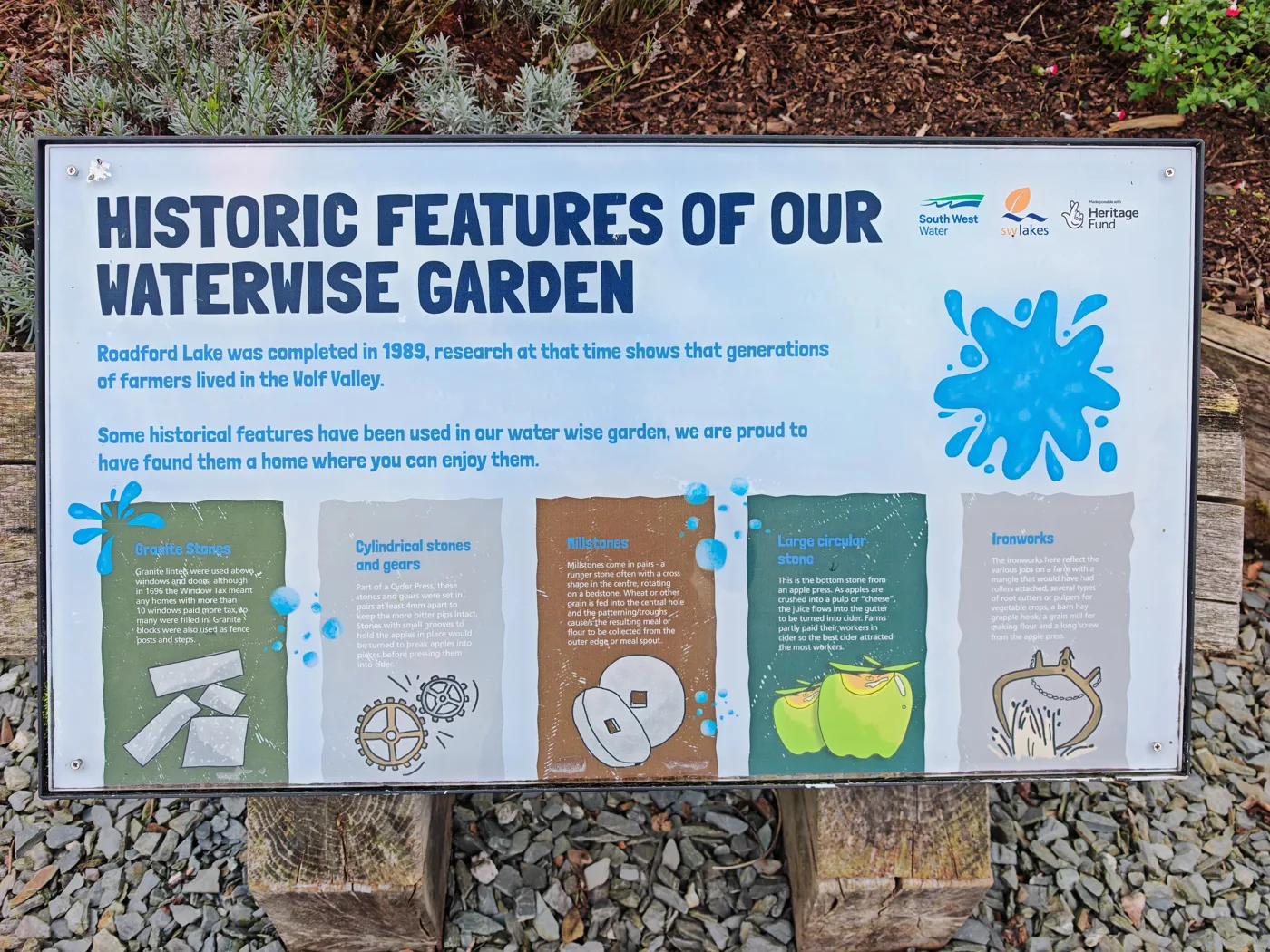
The Roadford site slopes, and the terracing is part of the design. “The sloping site has been terraced using natural and reclaimed materials, so rainfall is retained rather than running away,” Sue Fisher said. “Using organic matter to mulch the soil between plants also helps retain moisture in the soil.”
South West Water says the colder months are a good time to dig in that kind of material, so the soil does not dry out in the next heatwave:
- Add compost to beds and pots.
- Spread a thick layer of mulch over the surface of the soil to hold moisture from the rain.
- Fit a water butt to collect rainwater through the wetter months, ready for watering in the next dry spell.
Leave the lawn alone
The company also says grass is tougher than it looks. A lawn that turned yellow and dry over the summer goes into a dormant state to save energy, so it does not need watering, and it recovers once the rain returns.
What it means for you
The hosepipe ban still applies, so the advice is about next year rather than this week: pick drought-tolerant plants when you restock, and use the winter to improve the soil and set up a water butt.
Megan Williams, Water Efficiency Delivery Manager at South West Water, said:
“We are very proud of our Waterwise garden at Roadford Reservoir. It is an excellent example of the resilience plants have even in the face of extreme dry weather like that which we saw this summer.
“We hope that it will encourage our customers to consider drought resistance when planning their gardens and maybe reconsider repurchasing plants which grow during the dry weather.
“By choosing waterwise plants gardeners can reduce the amount of water they use to water their garden without detriment to the plants themselves. Using water wisely is more important than ever as we head into a future of climate uncertainty.”

What the water company is doing
South West Water says it is repairing around 440 leaks a week and moving three million litres of water a day to the areas that need it most. It is also looking at additional water sources and working directly with households and high-use businesses to cut consumption.
The full release is on the Pennon Group newsroom.
Source: South West Water.
Have your say