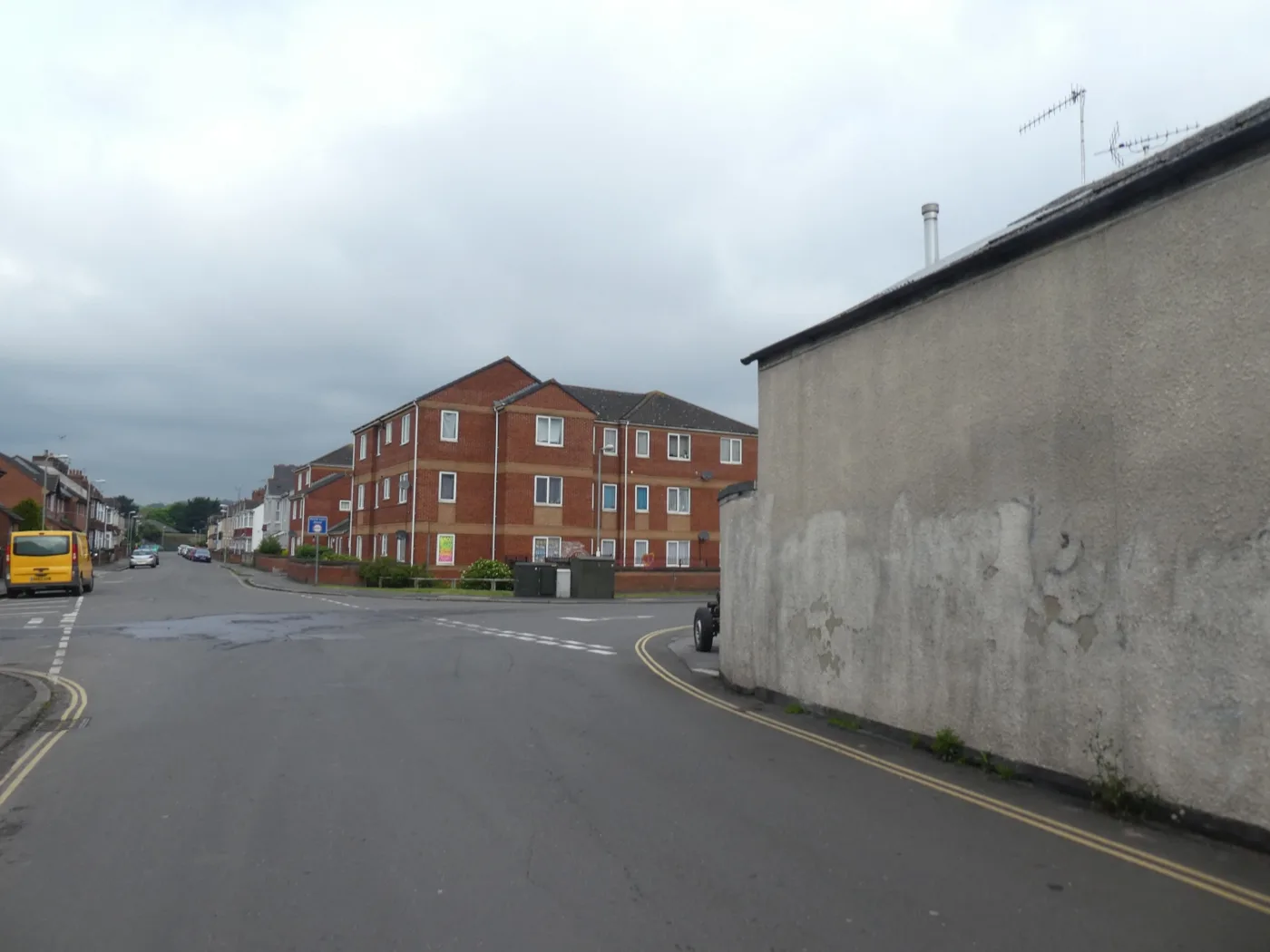

The Exeter Plan proposes 13,975 homes to 2041 at 642 a year, but the government's current formula says 812. Where the examination stands, and the big sites.
Exeter is between local plans. The one that still carries legal weight, the Core Strategy, dates from 2012. The one meant to replace it, the Exeter Plan, has been through its examination hearings and is waiting on the inspectors. In the gap, the number the government says Exeter should be building has moved, and the plan is being examined against the older, smaller figure. This page sets out where things stand, from the council’s own documents.
Where the Exeter Plan has got to
The city council submitted the Exeter Plan to the Planning Inspectorate on 26 September 2025. Two inspectors, C Coyne and K McDonald, were appointed to examine it.
The hearings ran in four blocks: 3 to 6 March 2026 and 10 to 13 March in person, 12 to 15 May in person, and 19 to 22 May as virtual sessions, followed by a wrap-up session. Further statements from the council and other participants were published on 22 June 2026. The next formal step is for the inspectors to set out the modifications they require, which the council will then consult on before the plan can be adopted. Nothing has been published on that yet.
The plan runs to 2040, with its housing target measured over 2021 to 2041.
The number at the heart of it
Policy H1 of the submitted plan commits the council to delivering at least 642 homes a year between 2021 and 2041. That figure came from the government’s standard method as it stood in 2024, and over twenty years it means at least 12,840 homes.
The formula has since moved. The council’s own June 2026 housing land supply statement records that the latest standard method housing requirement for Exeter is 812 homes a year, against the 642 the Exeter Plan is built on. That is 170 homes a year more, or 26% higher, and it is the single most consequential fact about planning in the city right now: a plan drafted to one target is being examined at a moment when the national formula asks for a quarter more.
The council’s position is that its supply holds up either way. Measured from a base date of 1 April 2026, it says it can demonstrate:
- 5 years and 3.5 months of housing land supply against the latest standard method requirement; and
- 5 years and 11 months against the Exeter Plan requirement.
Both clear the five-year bar, which matters because falling below it tilts planning decisions in favour of housing applications the council might otherwise refuse. The margin against the standard method is thin, though. Three and a half months of headroom is roughly 240 homes.
Where the homes are meant to come from
Policy H1 proposes 13,975 homes in total, which is deliberate headroom above the 12,840 requirement to allow for sites slipping.
Only the 5,369 in allocations are new decisions. Everything else is homes already built, already permitted, or assumed to appear on small sites nobody has identified yet.
The five strategic brownfield allocations, all of them former Liveable Exeter sites, carry most of the weight:
| Site | Homes allocated |
|---|---|
| Water Lane | 1,861 |
| East Gate | 609 |
| Red Cow | 442 |
| Exe Bridges Retail Park | 201 |
| South Gate | 81 |
Below those, the largest residential allocations are Land at Old Rydon Lane (357 homes), St Bridget Nurseries (350), Heavitree Road police station (350), Mary Arches multi-storey and surface car park (154) and Whipton Community Hospital (110).
What is missing is as telling as what is in. Four of the original Liveable Exeter sites, Sandy Gate, West Gate, Marsh Barton and North Gate, are not allocated in full, which the plan attributes to development constraints, limited site promotion and multiple landowners. Northern Marsh Barton and North Gate appear instead as regeneration opportunity areas under Policy H3, and the plan does not count on them for a single home of the housing requirement.
The Royal Clarence, and what viability does to affordable housing
The clearest recent illustration of how planning actually resolves in Exeter is the site of the Royal Clarence Hotel on Cathedral Yard, gutted by fire in October 2016 and empty since.
On 19 January 2026 the planning committee voted unanimously to delegate approval of applications 25/0895/FUL and 25/0896/LBC, a scheme of 25 homes on the upper floors with commercial space below. The resolution secured, through a deferred contributions mechanism, 35% affordable housing paid as a financial contribution of £2,394,258.82, plus £16,083 towards oversubscribed GP surgeries at Barnfield Hill, Southernhay House, St Leonards Practice and St Thomas Health Centre, and £1,284.72 per dwelling towards recreational impacts on the Exe Estuary protected marine site.
The scheme returned to committee on 3 August 2026. Following an independent viability assessment, the update sheet put the affordable housing contribution at £344,637, with the same £16,083 for GP surgeries and £32,118 for habitats mitigation. The independent valuer’s view was that £360,720 in total was viable, to be split between off-site affordable housing and the GP contribution.
In plain terms, the affordable housing money attached to this site fell by about £2.05 million between January and August 2026, on the same 25 homes. For context, the earlier consent on the site, approved by committee in October 2022, carried an affordable housing contribution of £2,173,238.07.
The recommendation also added a clause committing the council to fully consider any request to vary the agreement made within five years.
What this means if you live here
If you are objecting to or supporting an application, the five-year land supply figure is the piece of context that changes the odds. While the council can demonstrate more than five years, its own policies carry full weight. If a future statement drops below five years, national policy tilts decisions towards approving housing, and the margin against the 812-a-year standard method is currently three and a half months.
If you are buying, the allocations list is worth reading against the road you are considering. Water Lane, East Gate, Red Cow, Old Rydon Lane and the Heavitree Road police station site are all sizeable, and all of them are near existing homes. Prices in the city are already falling 2.2% a year, and a large allocation next door is a factor a valuation will eventually reflect.
Frequently asked questions
How many homes does the Exeter Plan propose?
13,975 homes between 2021 and 2041, against a requirement of at least 12,840, which is 642 homes a year. Of that total, 5,369 come from new site allocations, 5,289 from existing planning consents, 2,311 were built between 2021 and 2024 and 1,006 are assumed from windfall sites.
What stage is the Exeter Plan at?
It was submitted to the Planning Inspectorate on 26 September 2025 and its examination hearings ran in March and May 2026. The council is waiting on the inspectors’ required modifications, which will be consulted on before the plan can be adopted.
Does Exeter have a five year housing land supply?
Yes, on the council’s own June 2026 assessment. From a base date of 1 April 2026 it claims 5 years and 3.5 months against the latest standard method requirement and 5 years and 11 months against the Exeter Plan requirement.
How many homes does the government say Exeter needs?
The latest standard method figure is 812 homes a year. The Exeter Plan is built on the earlier standard method figure of 642 a year.
What is the biggest housing site in the Exeter Plan?
Water Lane, allocated for 1,861 homes. It is the largest of five strategic mixed use brownfield sites, ahead of East Gate at 609 and Red Cow at 442.
What is happening to the Royal Clarence Hotel site?
A 25-home scheme with commercial space below was approved in principle by the planning committee in January 2026 and returned to committee on 3 August 2026, when the section 106 package was revised after an independent viability assessment. The affordable housing contribution fell from £2,394,258.82 to £344,637.
Sources
- Exeter Plan Publication (Regulation 19) version, CSD-02 for Policy H1, Policy H2 and the allocation and windfall figures.
- Exeter Plan submission and examination, Exeter City Council for the submission date, the inspectors and the hearing dates.
- EXM-53: June 2026 Five Year Housing Land Supply Statement for the 812 and 642 figures and the 5 years 3.5 months and 5 years 11 months supply positions.
- Planning Committee, 3 August 2026: update sheet for the revised Royal Clarence section 106 contributions.
- Planning Committee minutes, 19 January 2026 for the original resolution and the £2,394,258.82 affordable housing contribution.
- Planning Committee, 10 October 2022: decision on 22/0236/FUL for the earlier consent’s £2,173,238.07 contribution.
- Find a planning application, Exeter City Council to look up any application by reference or address.
Planning positions move. Check the council’s own examination pages and committee papers for the current position before relying on anything here.
Have your say