

Brian, 55, died of acute pancreatitis 19 days after collapsing in February 2023. His wife Karen and sons Owen and Ryan are sharing his story for Guts UK.
A Devon family whose husband and dad died of acute pancreatitis 19 days after he collapsed are telling his story to make people think about an organ most of us never consider.
Brian was 55. In February 2023 he collapsed at home, called a friend for help and was taken to hospital by paramedics. Within hours he was in intensive care with severe acute necrotising pancreatitis and multiple organ failure, on a ventilator and in a medically induced coma. He died 19 days later.
His wife, Karen, and their sons, Owen and Ryan, are sharing what happened as part of Kranky Panky, the month-long pancreatitis awareness campaign run each November by Guts UK, the national charity for the digestive system. The sons have raised more than £1,750 for the charity in their dad’s memory.
Overview
- Who: Brian, 55, known locally as “Irish Brian”, husband of Karen and dad of Owen and Ryan.
- What happened: he collapsed in February 2023 and died in intensive care 19 days later from severe acute necrotising pancreatitis.
- Why the family are speaking: “No one knew what pancreatitis was, or what it could do,” Karen says.
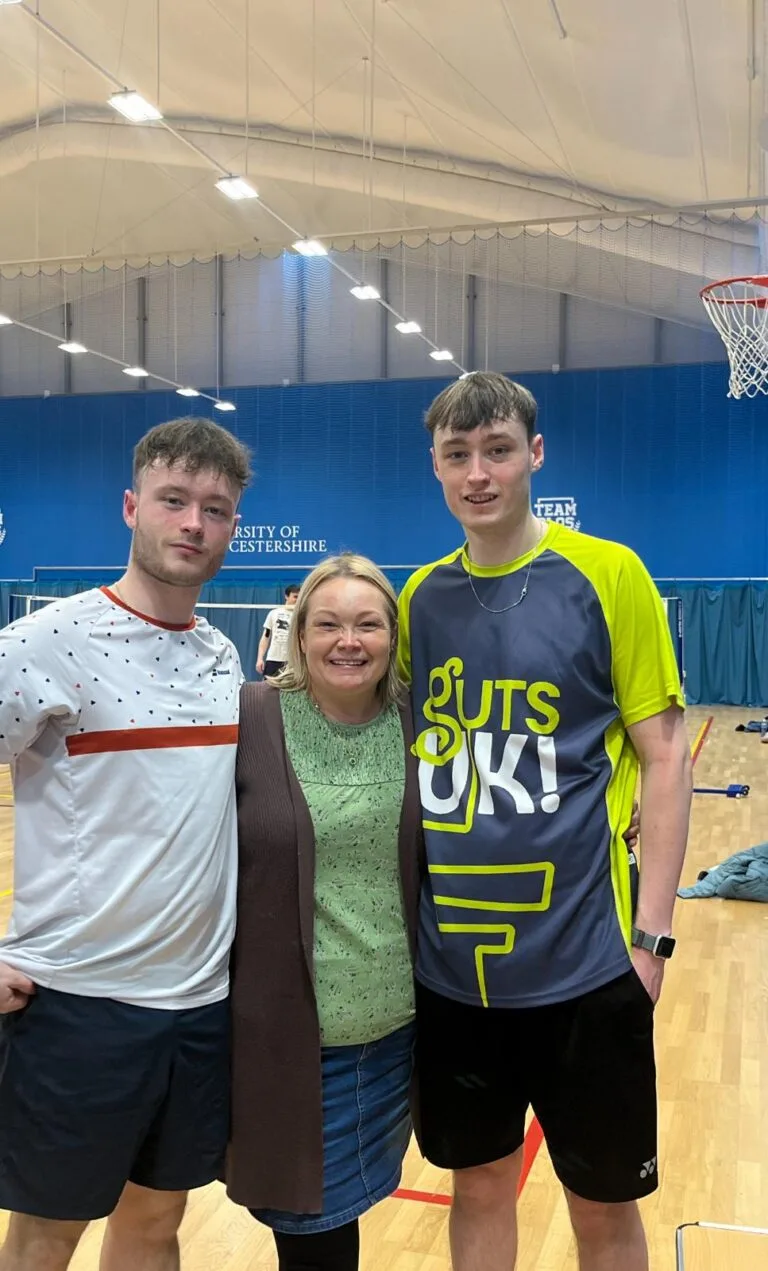
- Money raised: more than £1,750 for Guts UK from two charity badminton tournaments organised by Owen and Ryan.
- More information: gutscharity.org.uk/krankypanky
“It happened incredibly fast”
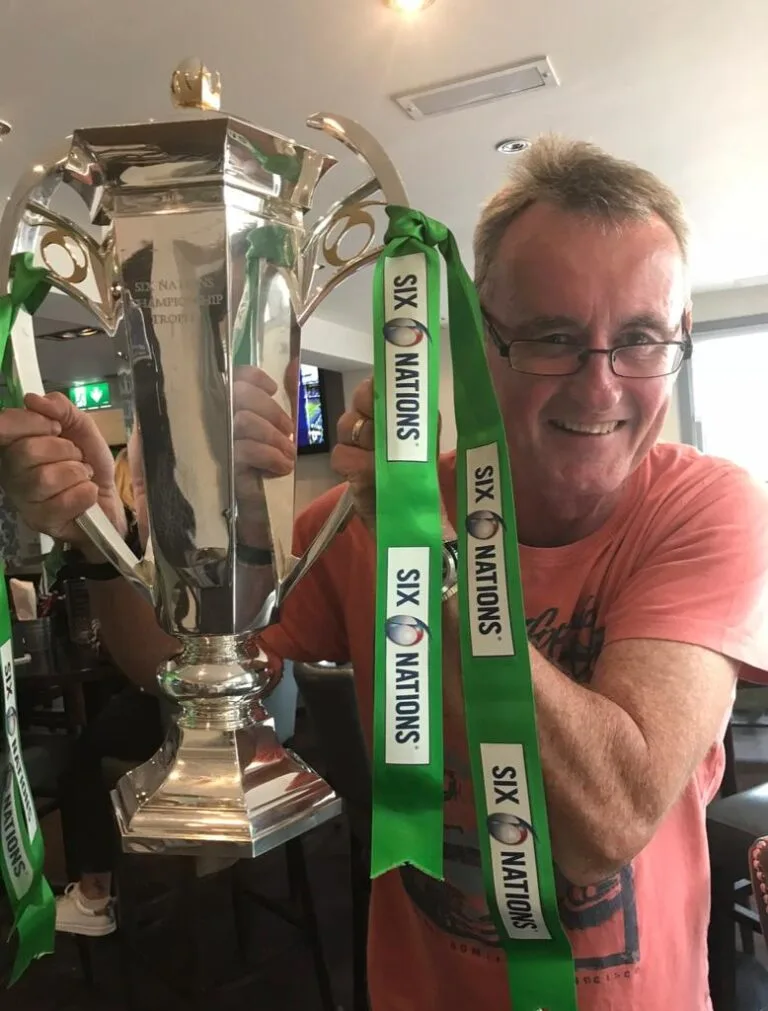
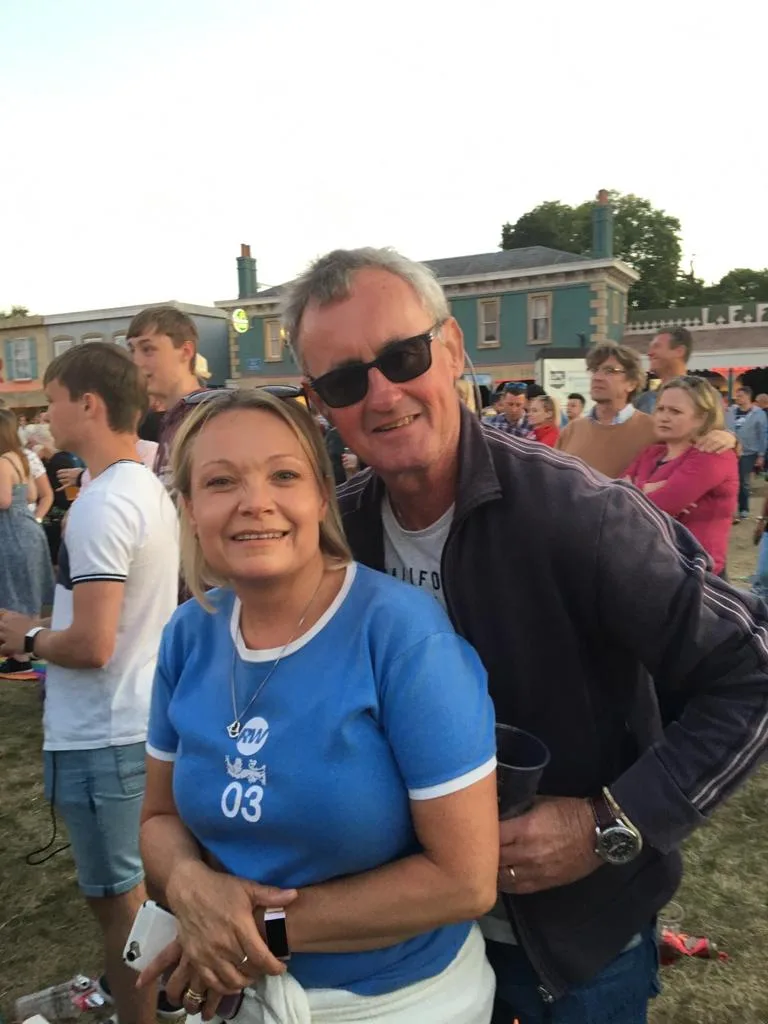
Brian was originally from Dublin. He met Karen in 1991 while they were both working in Jersey, and they moved to Devon in 1998 and married. Karen remembers him as a kind, charming and charismatic man who would do anything for anybody. He worked on the railways and loved watching rugby with his sons.
When he collapsed, Karen was away visiting Owen and Ryan, who were at university at the time.
“He collapsed and called a friend for help. Paramedics took him into hospital. A nurse called and said he was in intensive care with multiple organ failure and severe acute necrotising pancreatitis. It happened incredibly fast,” Karen said.
The family rushed to the hospital, and Brian’s siblings travelled from Ireland to be at his bedside.
“This began the 19-day rollercoaster in the intensive care unit. Doctors made it clear that Brian was very sick,” Karen said. “We couldn’t believe the machines, effort and the people needed to keep him alive. He often had fluid drained from his abdomen and he developed sepsis and cellulitis.”
The 19th day
On the 19th day, Karen arrived to find medical staff gathered near Brian’s room and was told he had taken a very serious turn.
“The consultant told me to get the kids here, but they both had a two-hour drive. The consultant explained he might not be able to keep Brian alive for them to say goodbye.”
For the first time since he was admitted, she was alone with her husband.
“Since he’d been in intensive care, we were always surrounded by family. I wonder if he chose this moment,” she said. “A nurse helped me calm my panic, and I sat with Brian. I told him how loved he was and how much he’d be missed.
“It was peaceful when he passed away. The boys didn’t arrive back in time, and I think it was meant to happen this way.”
“They had never considered his pancreas”
Karen says Brian had been through a difficult period after the deaths of both his parents and the Covid-19 pandemic. He had struggled with his mental health and with alcohol, and had sought help through rehabilitation.
The family had worried about his drinking, but his regular health checks had always come back normal, and they had assumed that if his liver was healthy there was little cause for concern.
“Everybody was so shocked because they didn’t think he was that unwell. No one knew what pancreatitis was, or what it could do,” Karen said. “My husband was just a bloke who had a tough period in his life, and he couldn’t cope. If it can happen to us, it can happen to anybody.”
What pancreatitis is
Guts UK explains that the pancreas is a gland that makes the enzymes that break down food and drink, and hormones including insulin, which controls blood sugar. Pancreatitis is when the pancreas becomes inflamed, and the charity says it is recognised by the NHS as one of the 20 most painful conditions a person can have.
According to the charity:
- Acute pancreatitis, the type Brian had, is a sudden inflammation that damages the pancreas. It often needs a hospital stay because of complications, and affects about 34 in every 100,000 people in the UK each year.
- Chronic pancreatitis is a long-term inflammation that causes damage that cannot be reversed. Between 6,000 and 12,000 people are diagnosed with it each year.
- Both can cause severe abdominal pain, nausea, vomiting, digestive problems and malnutrition.
- The most common cause of acute pancreatitis is gallstones, followed by drinking above the recommended limits. For around one in 10 people with acute pancreatitis, no cause is found.
The charity says there is no known cure.
Badminton for their dad
Before they graduated from university in June 2024, Owen and Ryan each organised a charity badminton tournament in their dad’s memory, raising more than £1,750 for Guts UK between them.
“Attending their graduations without Brian was so hard, but I knew that he would be so unbelievably proud of them,” Karen said.

She hopes Brian’s story will change what people worry about.
“We all wonder, ‘Are my moles okay? Have I got a lump in my breast? Is my liver okay?’ It’s time we all started thinking about the pancreas. Owen, Ryan and I feel very passionate about raising awareness. We’re telling Brian’s story to help others and start conversation about pancreatitis.
“It’s been over three and a half years since Brian passed and every day is full of memories. In the early days, I thought we’d never smile or laugh again, but we do, and I’m so thankful for that.”
Information about pancreatitis and the Kranky Panky campaign is at gutscharity.org.uk/krankypanky. Guts UK is registered charity 1137029.
Have your say