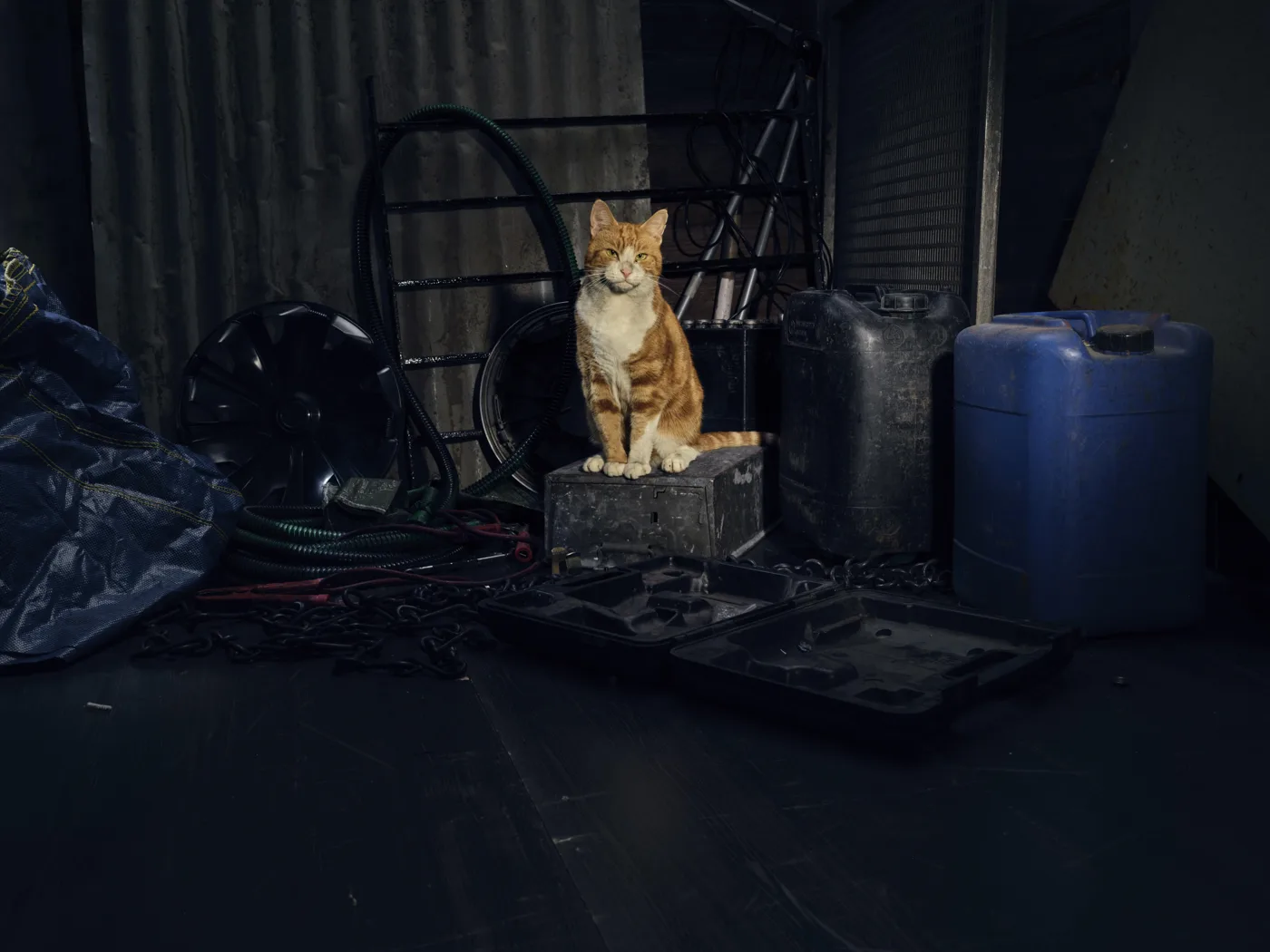

Cats Protection says give outdoor cats a dry, draught-free shelter and water that cannot freeze. The signs a cat is too cold and how to build a winter bolthole.
If a cat is hanging around your garden, shed or car in Exeter as the temperature drops, Cats Protection’s advice is to give it somewhere dry and draught-free to sleep, put out fresh water that cannot freeze, and check under your car and inside your shed or garage before you shut it.
The charity issued its cold weather warning on 27 November, saying that for cats left outside without shelter or food, “the risk of hypothermia or painful frostbite is real”. Cold snaps can also make conditions such as arthritis worse for any cat.
Overview
- Outdoor and stray cats: a small, dry, draught-free shelter off the ground, with straw for bedding, and fresh water that cannot freeze over.
- Before driving: tap the car bonnet and look underneath; cats like to hide there.
- Sheds and garages: check them before you lock up, so a sheltering cat is not trapped.
- Pet cats: an indoor litter tray, a locked cat flap at night, and wipe paws and fur clean of road grit, rock salt and antifreeze.
- Too cold: Cats Protection says anything below about 7°C can start to be unsafe for a cat to stay out for long.
Why the cold is a danger to cats
Jess Wilson, Behaviour Engagement Officer at Cats Protection, said: “While some cats are well adjusted to life outdoors, cats that have been abandoned or lost their way may find themselves without shelter, warmth or a reliable food source, and need some extra support in the bitter cold.
“We’re there for them until the tough times pass, and there are simple steps people can take to make life safer for cats outdoors.”
The charity’s cold weather advice says kittens, elderly cats, unwell cats and hairless cats are most at risk, and puts it simply: “If it feels too cold for you to be outside, it is probably too cold for your cat!”
Cats Protection’s eight winter steps
- Create cosy, draught-free places for cats to sleep away from the cold. Self-heating pads can ease aching joints in older cats.
- Provide fresh water, and check it cannot freeze over.
- Consider putting out food for cats you know to be unowned.
- Tap your car bonnet and check underneath before starting the engine.
- Check sheds and garages so that cats looking for shelter do not get trapped.
- For pet cats, an indoor litter tray means they do not have to go outside.
- Wipe paws and fur, because road grit, rock salt and antifreeze can be dangerous if licked.
- Consider keeping your cat in at night, and lock the cat flap so it cannot slip out.
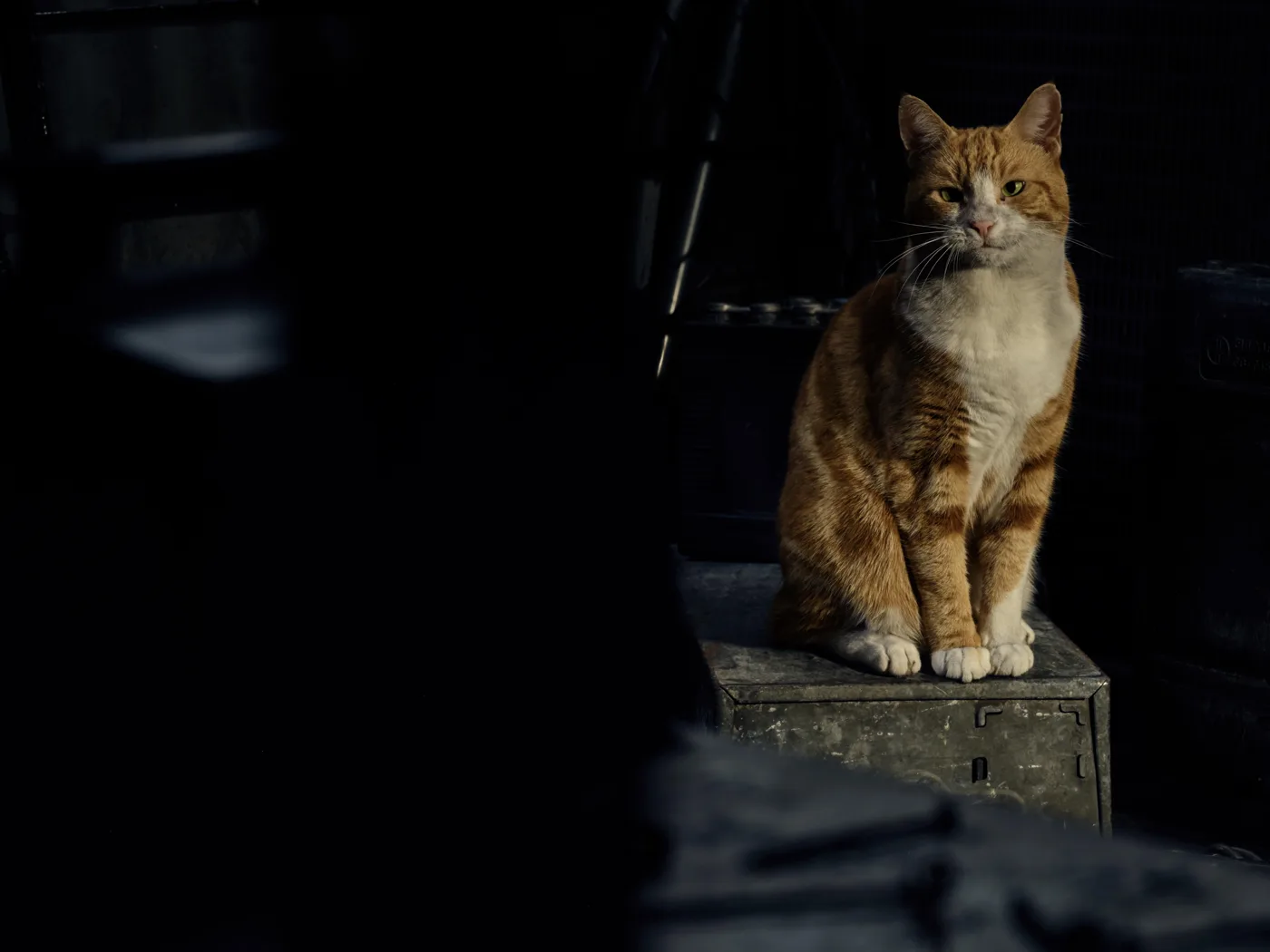
How to make a winter bolthole for a stray cat
Cats Protection says a winter bolthole “might just save a life”. Its guide to stray cat shelters suggests using what you already have: a shed, greenhouse or playhouse, a cat carrier, a storage box, a recycling bin, a large plastic pipe, or an unused rabbit hutch or dog kennel. Plastic is better than wood because it can be cleaned more easily.
- Keep it small. A smaller shelter holds heat better than a large one.
- Two ways in, if you can, ideally not directly opposite each other, so there is no draught. With only one entrance, place it where the cat can get out quickly.
- Weatherproof the outside with bin bags, tarpaulin or roofing felt, leaving the entrances clear.
- Line it with straw, which the charity calls “the driest, warmest and safest natural bedding choice”. Blankets and towels can get damp or freeze, so check and change them often.
- Put it in a quiet spot the cat already knows, out of sight and out of reach of dogs, with the doorway facing away from the wind, for example towards a wall.
- Raise it off the ground on pallets or bricks, keep it level, and shelter it under a bush or an overhanging roof.
- Let the cat find it. Do not pick the cat up and put it inside; let it explore in its own time.
Signs a cat is too cold
Cats Protection lists shivering, curling up tightly in a ball, unusual tiredness, and cold ears, paws or tail as signs a cat is too cold.
Weakness or trouble walking, slow or shallow breathing and pale gums are signs of hypothermia, and collapse, not responding or dilated pupils are an emergency. The charity’s advice is to bring the cat indoors straight away, dry it fully and warm it gradually with warm towels, blankets or your own body heat. Do not use hot water, heating pads or a hair dryer, do not force food or water, and take the cat to a vet as soon as possible.
Antifreeze
The charity warns that antifreeze “is particularly poisonous to cats” because it contains ethylene glycol, and that “even just a few licks of antifreeze can cause serious harm, such as kidney failure”. It advises using screen wash and de-icer that do not contain ethylene glycol, wiping up any drained radiator fluid quickly, keeping these products out of reach, and wiping a cat’s paws and fur if it has been in contact with antifreeze, before it can lick it off while grooming.
Cats Protection’s winter campaign
Cats Protection has launched a winter awareness campaign at cats.org.uk/lumi to help more stray and abandoned cats through the freeze. The charity says it helps an estimated 191,000 cats and kittens a year through around 185 volunteer teams and 32 centres. Its helpline is on 03000 12 12 12, Monday to Friday, 9am to 5pm.
Source: Cats Protection.
Have your say