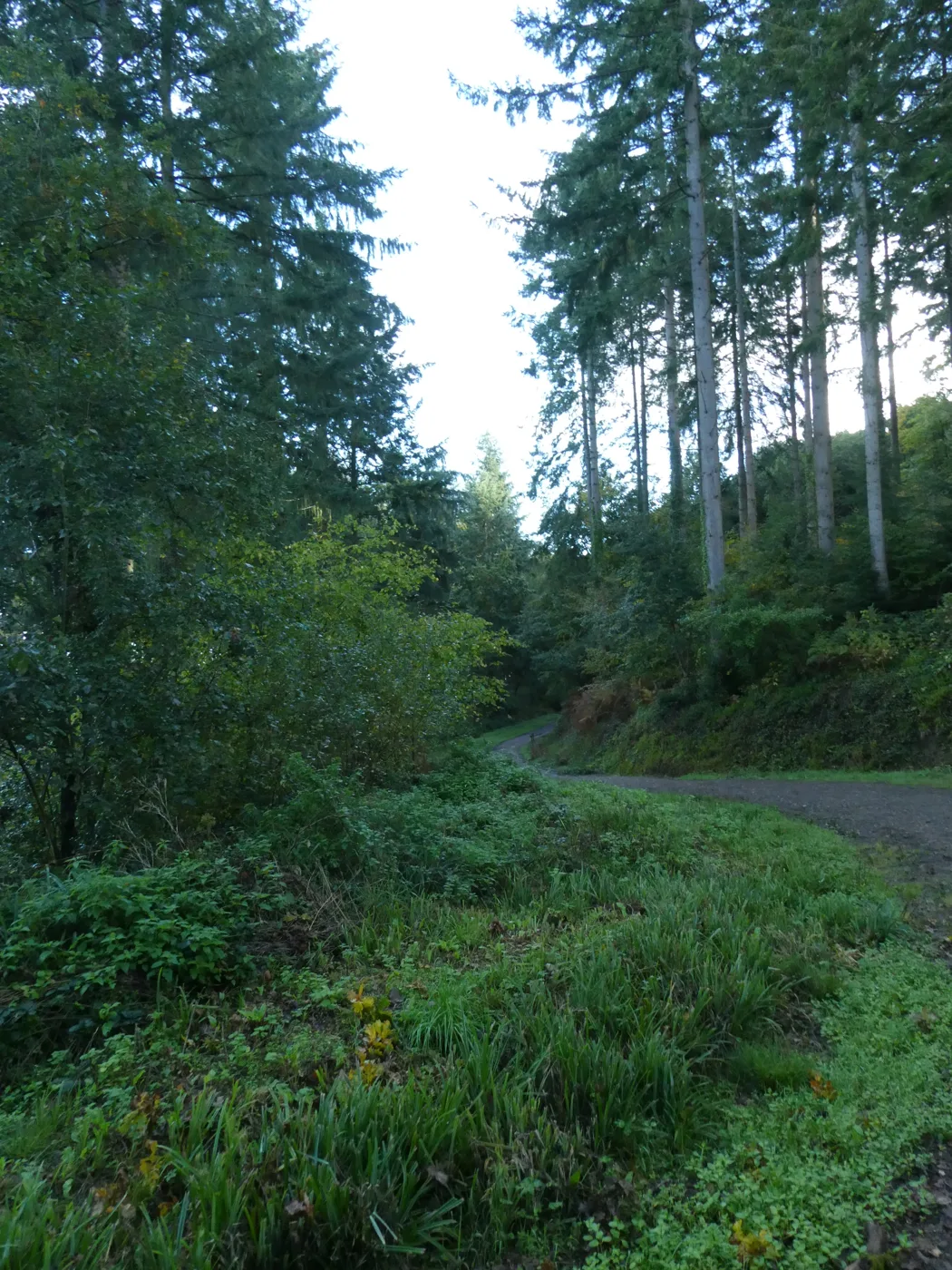

Steve Race MP walked Stoke Woods with the Environment Agency and Exeter City Council after repeated dumping reports. Fines can now reach £5,000, up from £300.
Exeter MP Steve Race has walked Stoke Woods with senior Environment Agency staff and Exeter City Council officers, after residents repeatedly reported fly-tipping there. His office says the site has become notorious for dumping.
Overview
- Where: Stoke Woods, on the edge of Exeter. The land is privately owned by Forestry England.
- Who went: Steve Race MP, senior representatives of the Environment Agency and officers from Exeter City Council.
- Why it is hard to police: a quiet road away from houses, and no power for lights or cameras.
- What has changed: the Environment Agency can now issue fixed penalties of up to £5,000. The old cap was £300.
- To report a fly-tip: use Exeter City Council’s fly-tipping form.
Why Stoke Woods is targeted
Mr Race invited the agency and the council after constituents kept raising the dumping with him. On the walk, the group talked about why sites on the edge of the city attract waste crime. They also discussed how the agency and the council plan to use new powers from the Government against offenders.
Mr Race was told why Stoke Woods in particular is difficult to police. It sits on a quiet road away from houses. There is no access to power for lights or cameras. And it is private land, owned by Forestry England, rather than council land.
The new powers
The Government launched its Waste Crime Action Plan in March. According to Mr Race’s office, it comes with £45 million for the Environment Agency to pursue fly-tippers and criminal gangs across the country.
The release lists these changes:
- The agency gets police-style powers to search premises, seize assets and make arrests.
- A new Operational Waste Intelligence Unit will go after criminal networks using aerial surveillance and financial data.
- Fixed penalty notices from the agency can now reach £5,000, up from a cap of £300.
- Offenders can be given up to 20 hours of unpaid work in “clean-up squads”, clearing up their own mess.
- Fly-tippers will get penalty points on their driving licence.
- The two-year time limit on confiscating assets bought with the proceeds of waste crime, such as cash, cars and houses, has been scrapped.
The Government is also working with insurers to make policies more comprehensive and remove barriers. The aim, the release says, is that farmers, businesses and landowners can be covered for the cost of clearing waste dumped on their land.
What the MP said
“Exeter’s green spaces are something we are rightly proud of, but for too long we have had to put up with repeated fly-tipping marring our parks and countryside,” Mr Race said.
“This Government has introduced a range of new powers to make it easier to identify and crack down on offenders. I wanted to get a clear picture of how these will be deployed on the ground in Exeter, so invited the Environment Agency and officers from Exeter City Council to join me at Stoke Woods, having received particular concerns from residents about dumping here.”
He said the woods were not mainly a problem of people avoiding the tip. “This isn’t primarily about individuals not using the tip; it’s about cowboy operators posing as legitimate businesses, making money out of illegal dumping.”
He added that the city also has smaller problems closer to home. “But Exeter does also face problems with smaller-scale fly-tipping on our city streets, particularly near recycling banks. Exeter City Council responded to the Government’s consultation earlier in the autumn to make sure new powers can be used to make offenders clean up their mess, no matter the scale.”
“We all deserve to feel proud of the place we live. By giving local authorities and organisations the tools they need to catch people in the act, we can break the cycle, clean up our streets and protect our brilliant green spaces.”
What it means for you
If you see a fly-tip in Exeter, report it to the council through its online fly-tipping form. The form asks for the exact location, the type of land and the type and rough amount of waste. An officer then visits and investigates.
The council says any of these details help:
- photos of the location or of what has been dumped
- a description of the people dumping it
- the date and time you saw it, including when it started and finished
- the make, colour, markings and registration of any vehicle involved
- details of anyone else who saw it with you
Do not search through the waste yourself for evidence. The council warns it may contain hazardous or sharp items, and its own staff examine it. It also says a high number of reports can mean a short delay before officers attend.
If the waste looks hazardous, or is in or near a river or stream, the council asks you to contact the Environment Agency instead.
You can also report illegal waste dumping anonymously through Crimestoppers’ illegal waste campaign page. Businesses that want to check how to handle their waste properly can use the Environment Agency Waste Hub.
Have your say